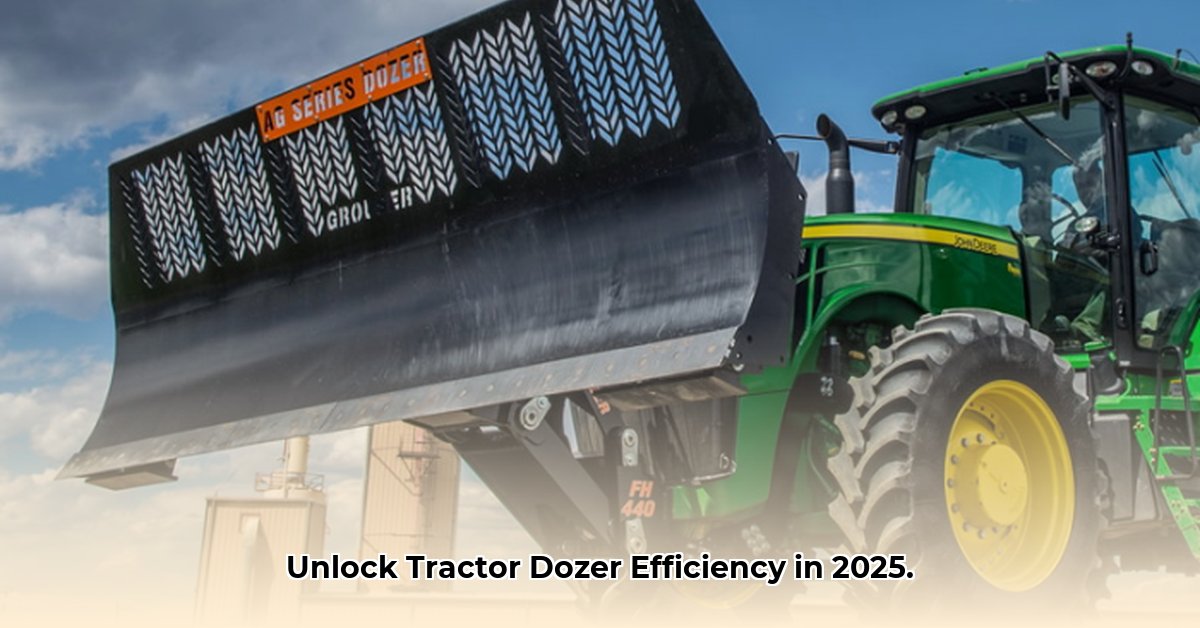
Tractor Dozer Efficiency: Navigating the 2025 Market Landscape
The construction industry relies heavily on tractor dozers, from large-scale mining operations to intricate landscaping projects. However, obtaining a complete and accurate overview of the tractor dozer market presents significant challenges. While specific model details and manufacturer information are readily available, comprehensive market data regarding overall size, growth rates, and technological advancements remains limited. This guide offers actionable insights for key stakeholders, acknowledging existing research limitations and suggesting avenues for further investigation. For more detailed information on tractor selection, check out this helpful guide.
Understanding the Data Landscape: Challenges and Opportunities
One major hurdle in comprehensively understanding the tractor dozer market is the scarcity of readily accessible, aggregated data. While information on individual models, features, and sales exists, a holistic picture of market size, growth trajectories, and technological adoption rates remains elusive. This lack of readily available data makes it challenging to definitively quantify market trends, such as fuel efficiency improvements in newer models, the impact of emission standards, and the adoption of new technologies like GPS guidance systems. Similarly, market data on the pricing and availability of used dozers is also limited, creating further challenges in analysis.
Actionable Intelligence for Key Stakeholders
Despite data limitations, several actionable steps can significantly enhance efficiency and decision-making for key players within the tractor dozer market.
Construction Companies: Optimizing Dozer Selection for Project Success
Choosing the right dozer is pivotal for project success. A poorly chosen dozer can lead to significant delays, cost overruns, and decreased profitability. To make informed decisions, adopt a systematic approach:
Comprehensive Project Assessment: Begin with a thorough assessment of project specifications. Consider the project scope (size and complexity), terrain characteristics (slope, soil type, and obstacles), and the type of earthmoving required (rough grading, fine grading, or specialized tasks). This will define the necessary dozer capabilities.
Detailed Specifications Review: Analyze dozer specifications carefully. Horsepower (HP) directly impacts pushing force, while blade type influences efficiency for specific tasks. Consider features such as GPS guidance for precise movements, ripper attachments for breaking up hard ground, and tilt-rotator blades for versatility.
Thorough Cost Analysis: Factor in all costs – purchase price, fuel consumption, maintenance, and operator expenses. Fuel efficiency is a key driver of long-term cost savings. Consider rental options – a cost-effective alternative for shorter-term projects.
Informed Decision-Making: Based on the project needs and cost analysis, select the optimal dozer configuration (new or used, specific features) to maximize return on investment (ROI) and minimize operational downtime.
Equipment Dealers: Building Strong Customer Relationships for Sustainable Growth
Equipment dealers play a vital role in connecting manufacturers and end-users. Building strong customer relationships requires a proactive and customer-centric approach:
- Personalized Customer Service: Offer tailored financing plans and comprehensive maintenance packages based on individual customer needs and budgets. Proactive maintenance recommendations and swift service response times enhance customer satisfaction.
- Continuous Professional Development: Invest in comprehensive training for sales and service teams to ensure they possess up-to-date knowledge about the latest dozer models, technological advancements, and industry best practices.
Manufacturers: Driving Innovation and Targeting Market Niches
In a competitive market, manufacturers must prioritize innovation and smart marketing strategies:
- Focus on Sustainability: Design and market eco-friendly dozers that align with tightening environmental regulations. Development of fuel-efficient engines and the integration of emission control technologies are crucial for maintaining market competitiveness.
- Strategic Market Segmentation: Instead of a broad approach, focus on specific industries or applications where your dozers provide superior performance or unique features. Targeted marketing and tailored product development will unlock market niches and improve ROI.
Regulatory Bodies: Shaping Industry Standards for Safety and Sustainability
Regulatory agencies play a crucial role in ensuring safety and environmental responsibility within the sector:
- Enhancing Emission Standards: Stricter emission regulations push manufacturers to develop and implement more environmentally friendly technologies.
- Promoting Operator Safety: Mandating operator training programs and promoting the adoption of advanced safety features in dozers significantly improve workplace safety.
Bridging the Data Gap: Resources for Further Research
While comprehensive market data is limited, several avenues can provide valuable insights:
- Industry Publications: Trade publications such as Engineering News-Record and specialized construction equipment magazines offer detailed articles and market analyses.
- Market Research Firms: Numerous market research firms provide in-depth reports on the construction equipment sector.
- Government Agencies: Government agencies often collect data on construction activity and equipment usage, providing potentially valuable information.
By combining available data with practical experience and sound judgment, all stakeholders can navigate the complexities of the tractor dozer market. Further research and data collection will be crucial to refine our understanding of this dynamic sector and facilitate informed decision-making in the years to come.